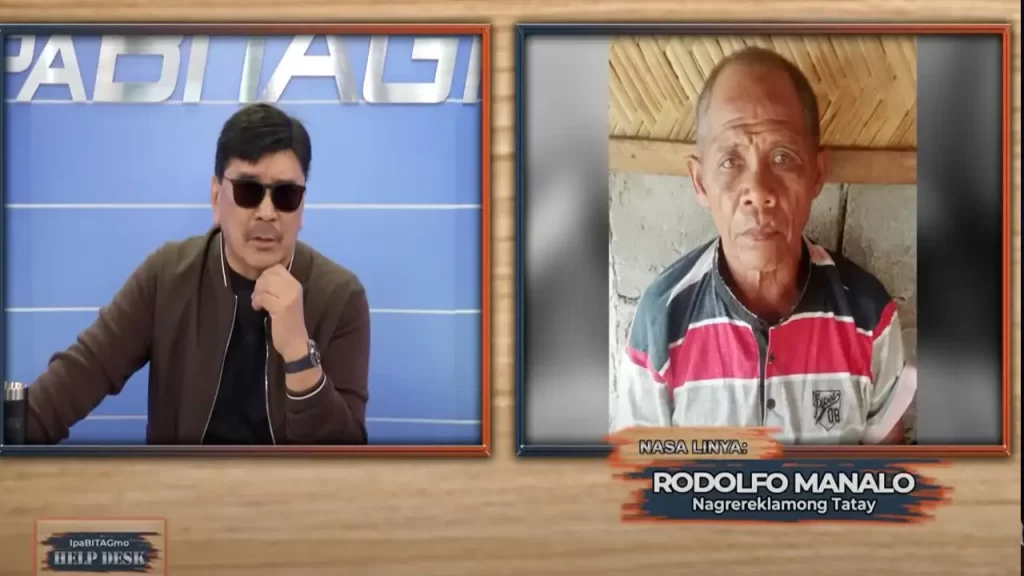
On September 5, 2025, BITAG Media Unlimited Incorporated (BMUI) aired on its public service show ipaBITAGmo TV the story ‘CAFGU na Aeta, namatay sa bugbog ng Sundalo.’
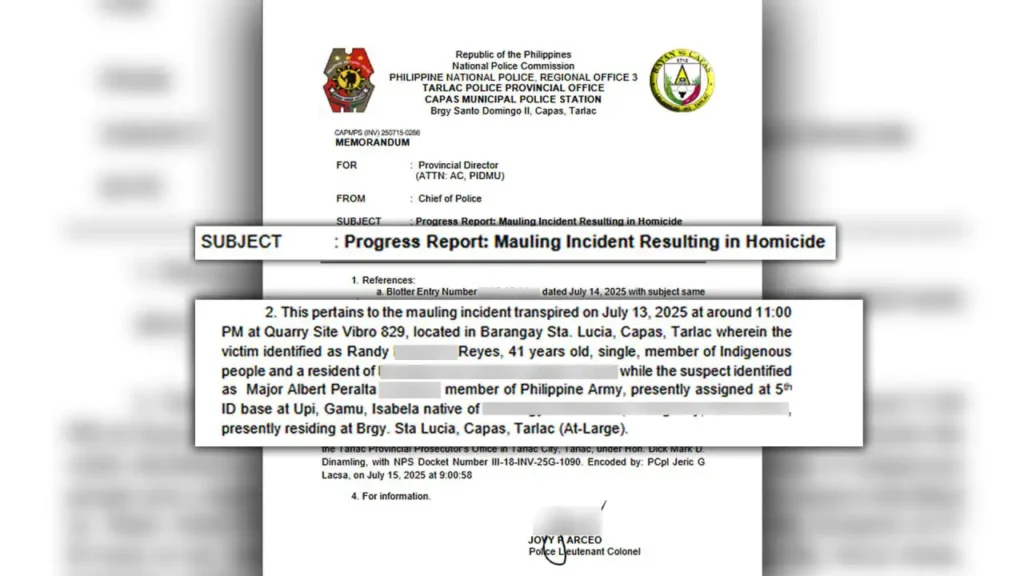
This is a complaint from the father of an Indigenous Person (IP) whose son, Aeta CAFGU Randy Manalo, was allegedly mauled to death by an official of the Armed Forces of the Philippines (AFP), later identified as Major Albert Peralta.
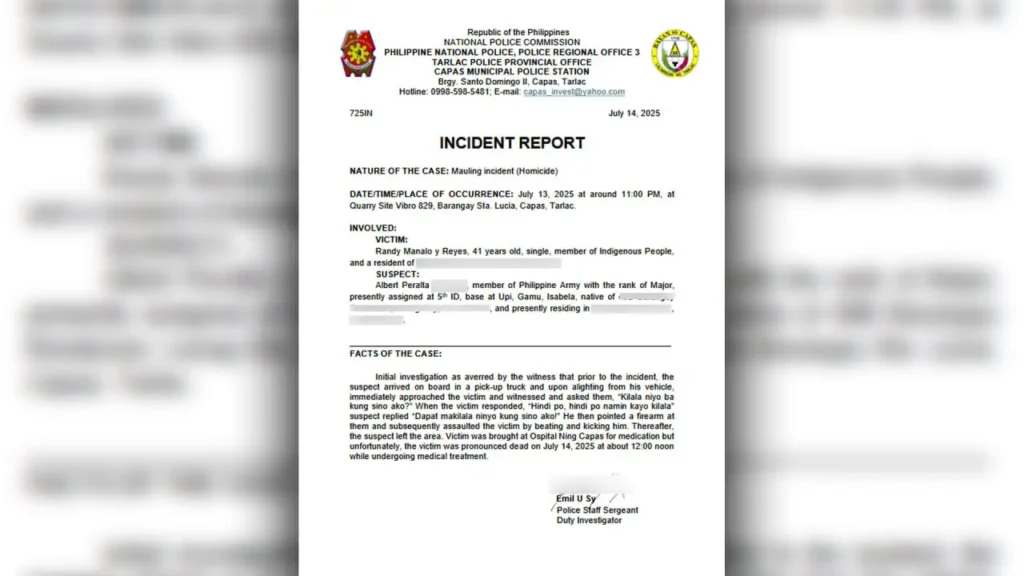
Based on the autopsy report, the cause of death was acute multi-organ failure, blunt traumas to the head, and traumatic injuries to the trunk and extremities secondary to alleged mauling. The incident transpired on July 13 at approximately 11:00 in the evening. Randy was declared dead the next day, July 14, while receiving medical treatment in the hospital.
Paramilitary auxiliary force
CAFGU or the Citizen Armed Force Geographical Unit, is a paramilitary auxiliary force of the Armed Forces of the Philippines that assists in anti-insurgency efforts.
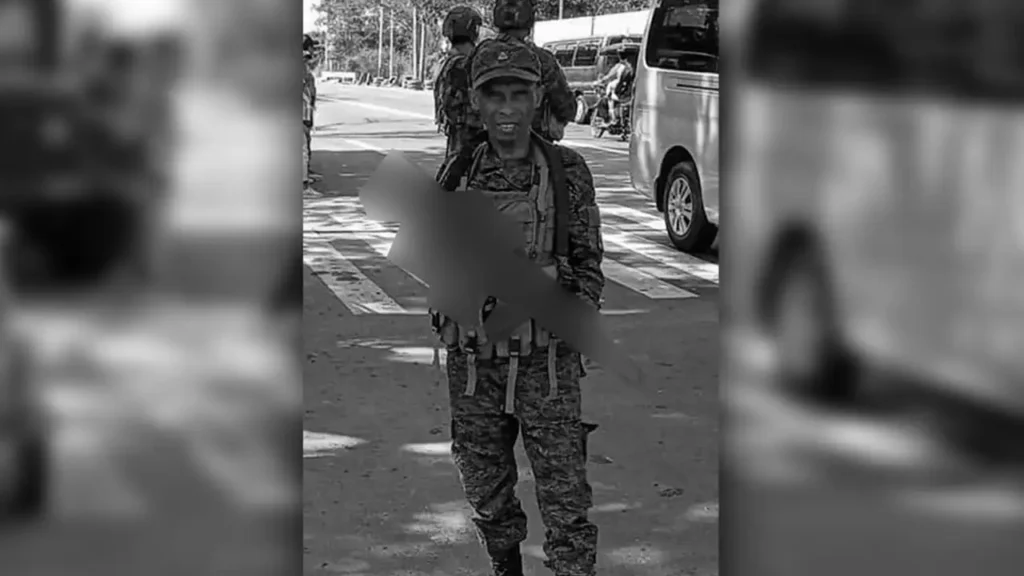
The primary role of CAFGU is to help the regular military combat insurgents, particularly in rural and remote areas. They provide vital local knowledge and act as a first line of defense in their communities.
A CAFGU member receives P12,500 monthly stipend.
Extra-judicial Settlement offer
On July 15, the Manalo family, of Aeta descent in Tarlac, filed a homicide case against AFP Major Albert Peralta. Despite three subpoenas issued by the Provincial Prosecutor’s office ordering Peralta to appear in court, the accused never showed up. Instead, he requested an extension to file his counter-affidavits.
To vent her anger on Facebook, Malou, Manalo’s daughter, posted on social media about an incident that occurred on July 13. Although she intended to alert authorities rather than shame Peralta, Peralta used the post to file a cyberlibel case against Malou.
An older Manalo expressed dismay that the cyberlibel case against his daughter is advancing more quickly than the homicide case they filed. And if the court rules in favor of Peralta, Malou will have to pay P1 million in damages.
During the case’s proceedings, Rodolfo Manalo divulged that Peralta had offered them a monthly payment of P12,500, equal to the deceased’s monthly stipend in exchange of withdrawing the homicide case. The family refused the offer and chose to continue pursuing the case. The duration of the payments was not specified in the offer.
As of this writing, Peralta is currently detained at the AFP Custodial Center while a civil court case proceeds and a separate AFP investigation is underway.
Last strand of hope
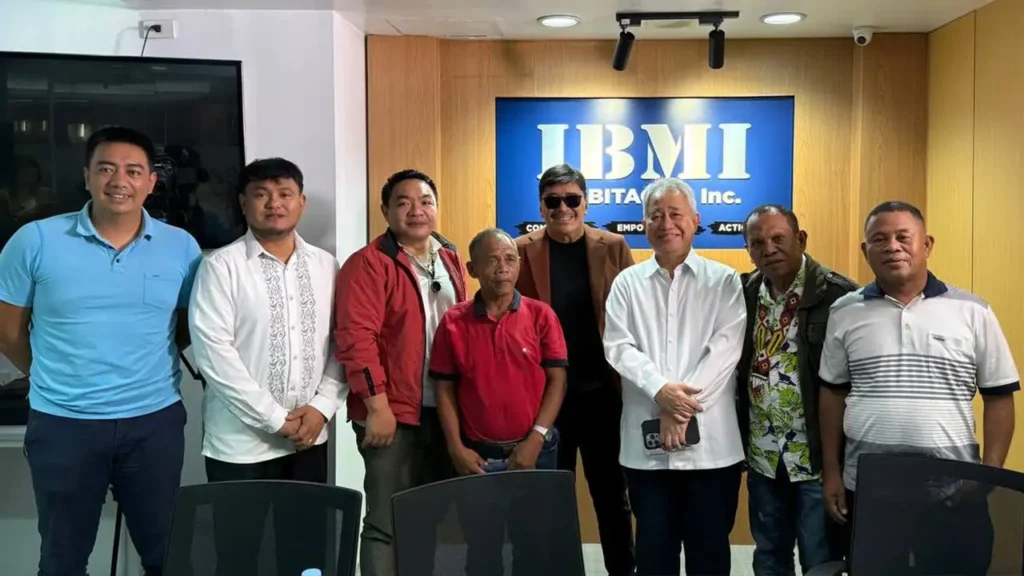
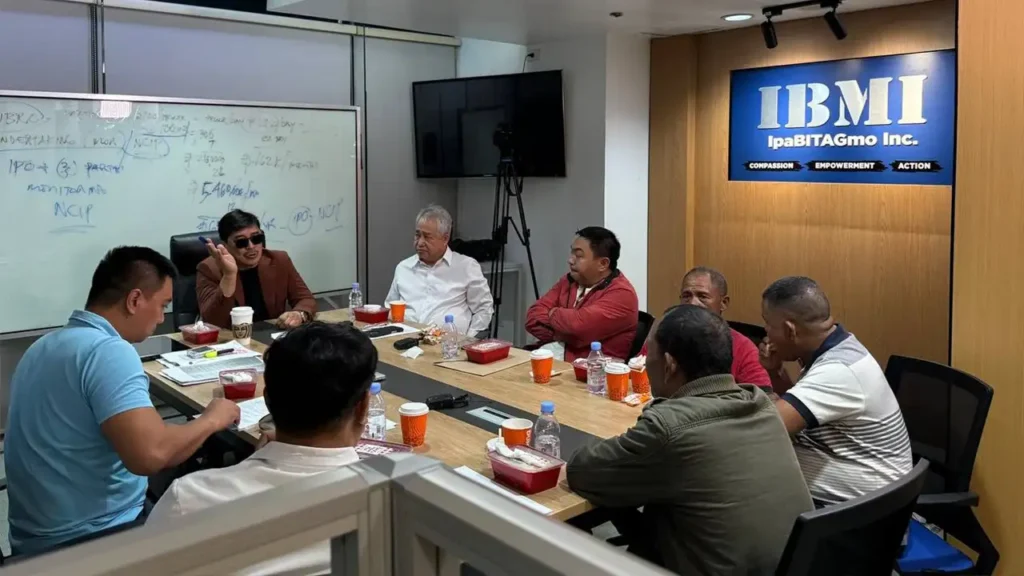
After the family first came to the IBMI-NGO Help Desk, Advocate Ben BITAG Tulfo took the cudgel for these indigenous people. Subsequently, the IBMI-NGO’s battery of lawyers carefully reviewed their case.
Rodolfo Manalo has admitted that he cannot read or write. He and his tribe do not understand the legal terms used in the court proceedings. They are worried that they might not get justice for Randy’s murder and that his daughter might end up in jail because of the cyberlibel case.
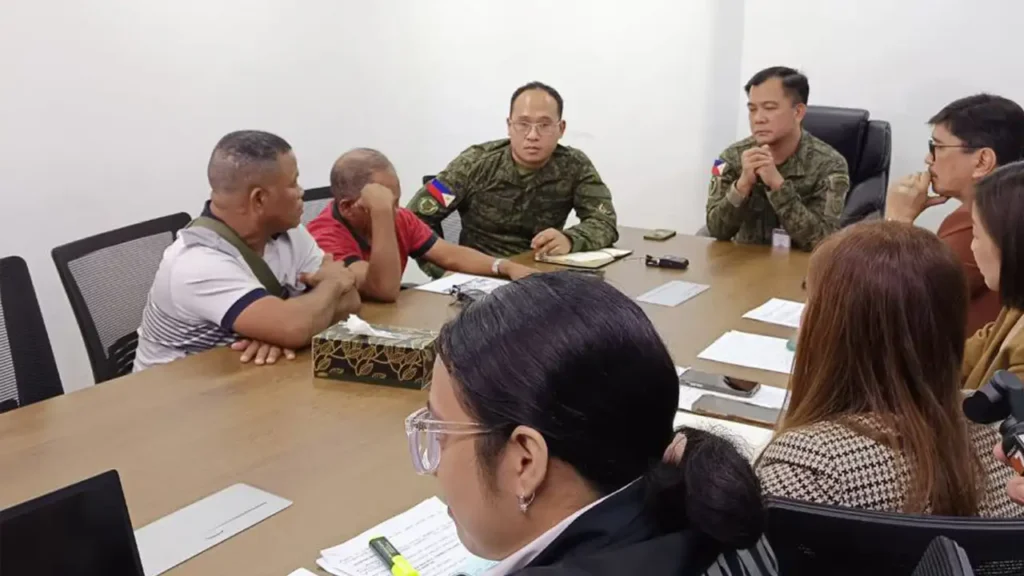
To ensure that the suspect, Major Peralta, would be held liable for his crime, Ben BITAG, along with the IBMI-NGO and BMUI Investigative team, paid a visit to the Armed Forces of the Philippines Headquarters in Fort Bonifacio.
AFP Spokesperson Col. Louie Dema-Ala said all the subpoenas issued by the Civil Court and sent to AFP HQ had been handed over to Peralta. It was also these subpoenas that made them aware of the crime Peralta had committed.
On the other hand, AFP lawyer Atty./Major Laynes declared they will not tolerate Peralta’s crime. That explains why they held Peralta at the AFP Custodial Center.
The AFP authorities said they have filed an administrative case against Peralta.
Civil Supremacy Act of 1991
According to the Republic Act 7055 or the Civil Supremacy Act of 1991, members of the Armed Forces of the Philippines and Philippine National Police will be tried in civil courts for offenses covered by the Revised Penal Code, other special penal laws, or local ordinances, unless the offense is ‘service-connected,’ which remains under military jurisdiction.
Atty. Melencio “Batas” Mauricio, IBMI-NGO spokesperson further explained, the two categories of criminal acts committed by members of the AFP and PNP are the following.
One, crimes covered by the Revised Penal Code (RPC). These are regular crimes (not service connected), such as murder or theft, that would be prosecuted in civil courts.
Two, crimes covered by the Articles of War (military law). These are military-specific offenses, such as insubordination or desertion (service connected), that are tried in a court-martial.
Atty. Rean Balisi and Atty. Alex Lopez, legal counsels for IBMI-NGO, added, regardless of whether Peralta’s crime was service-connected or not, he will be tried by a civil court as his offense is punishable by the Revised Penal Code of the Philippines.
NCIP Region III
This is not the first time the IBMI-NGO has coordinate and worked with the Regional office of the National Commission on Indigenous People (NCIP). There have been other cases concerning IPs that have been laid on the table for through investigation.
Atty. Roman Antonio, NCIP Region 3 Director has given his full support and commitment to these cases.
NCIP Central futile, entangled in bureaucratic inefficiency
The mandate of the NCIP is to protect and promote the interests and well-being of the indigenous people (IPs) from any form of exploitation and abuse. The NCIP is the primary government agency tasked with protecting IP rights and is empowered to act on related disputes.
Should indigenous people be taken advantage of or abused by any means, the NCIP shall defend them at all costs.
Appallingly, the NCIP Central office acted with disinterest on the Manalo case.
On October 10, the IBMI-NGO and BMUI Investigative Team visited the NCIP Central Office in Quezon City to make them aware of the mauling that resulted in the death of Randy Manalo, an Aeta.
The visit was initially coordinated by Atty. Antonio. However, IBMI-GO and BMUI were surprised to hear from an NCIP staff that they need to secure a letter, as was advised by the Strategic Communication (StratCom) team, to seek an audience with NCIP officials about the case.
After Apple Meneses, Executive Director of IBMI-NGO, insisted, the NCIP Central office lawyer, Atty. Osano Paredes decided to meet with them, but only on the condition that no videotaping or picture taking would be allowed. The lawyer refused the verbal request for documentation, even when it was explained that it was just to show the NCIP Central office’s full support and cooperation on the case.
Meneses then thoroughly discussed the case and introduced the father and cousin of the slain Aeta CAFGU to Atty. Paredes and staff. The lawyer then told them to proceed to the NCIP Region III office to continue their coordination, stating that the regional office has the jurisdiction and that they should not be burdened with having to travel to and from the Central office.