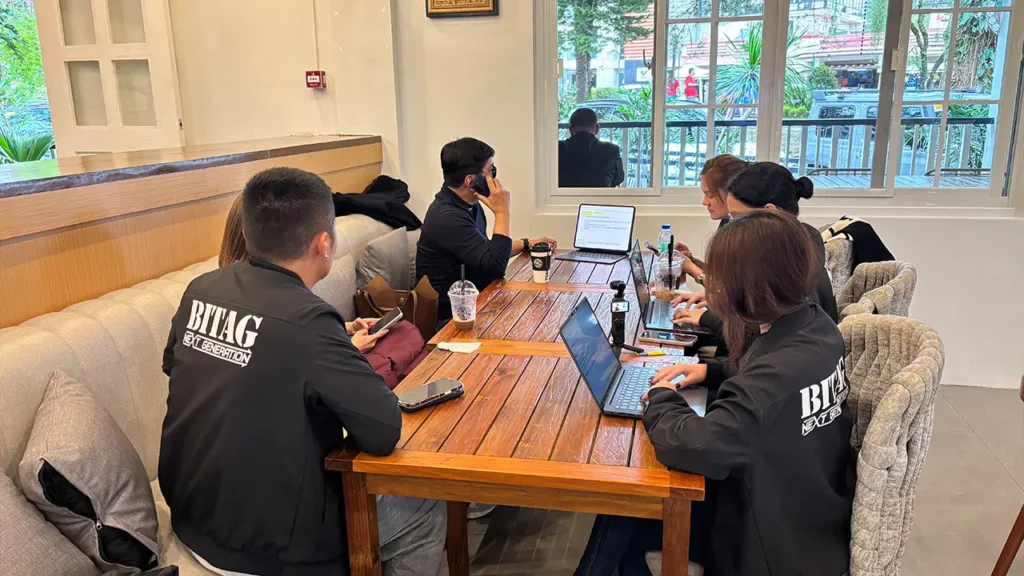
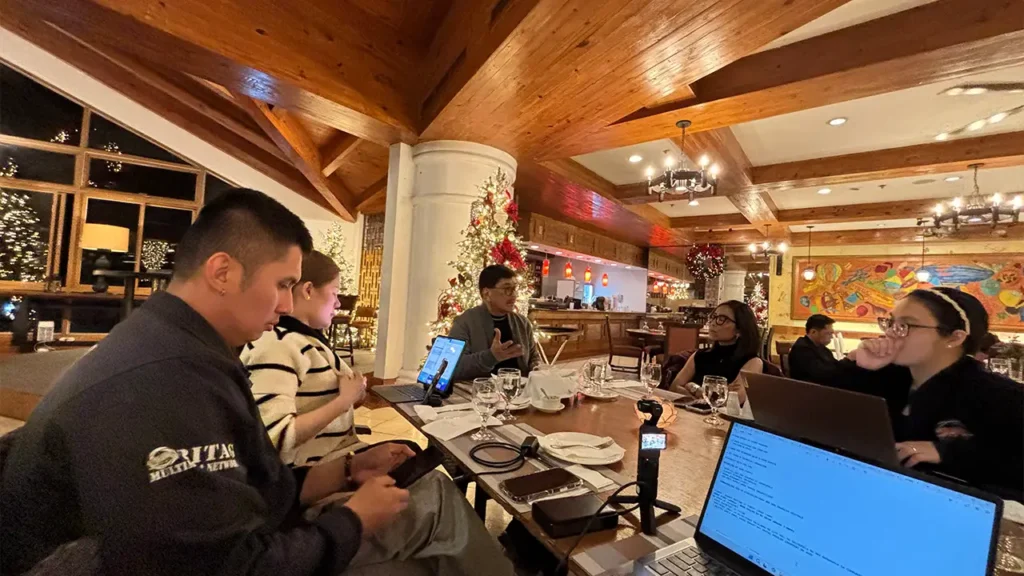
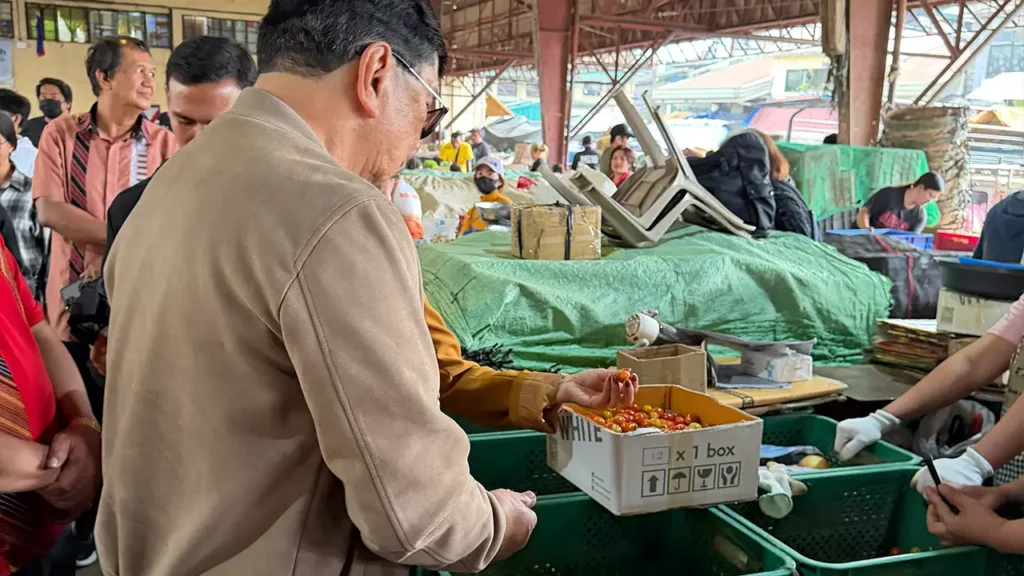
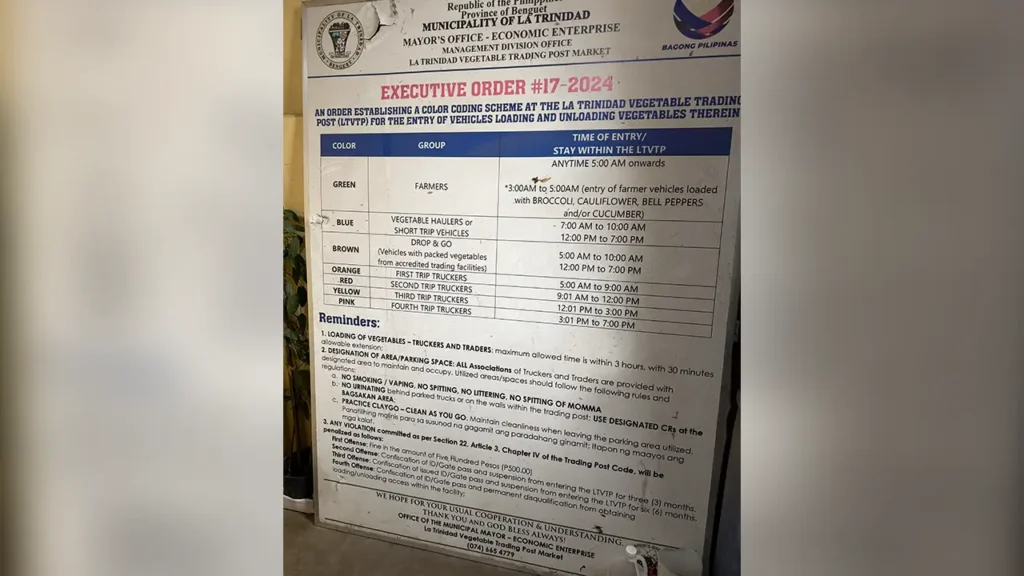
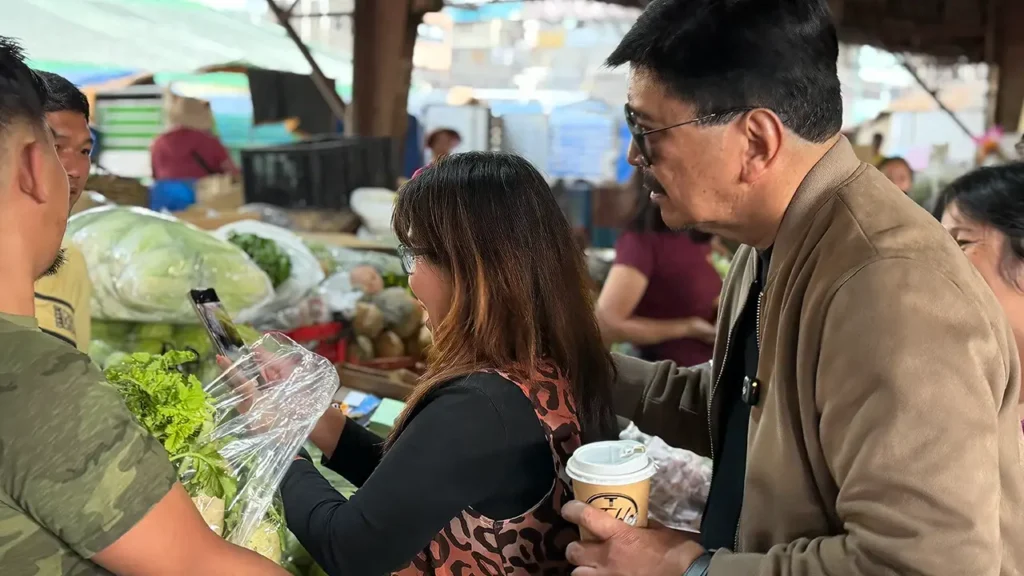
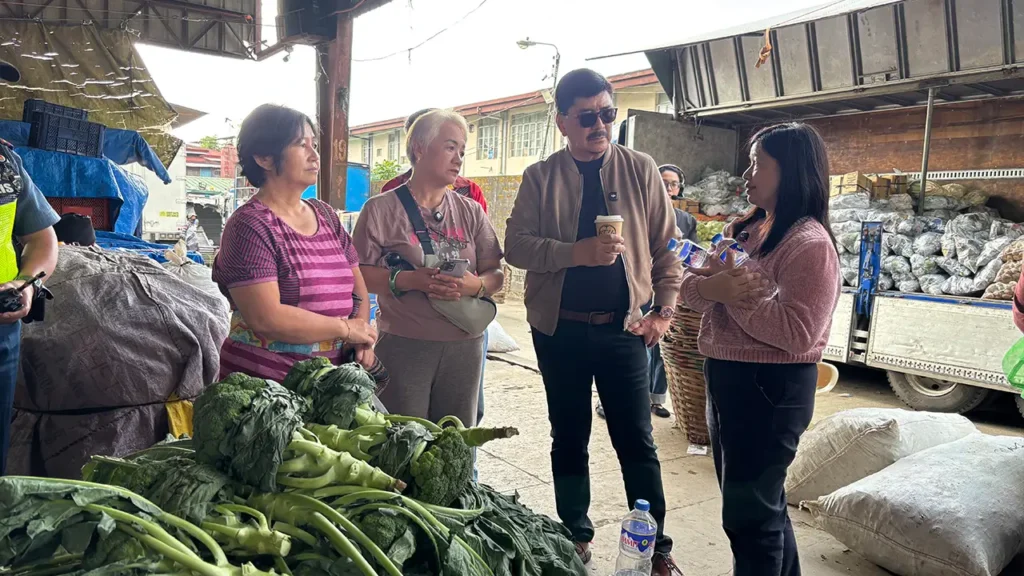

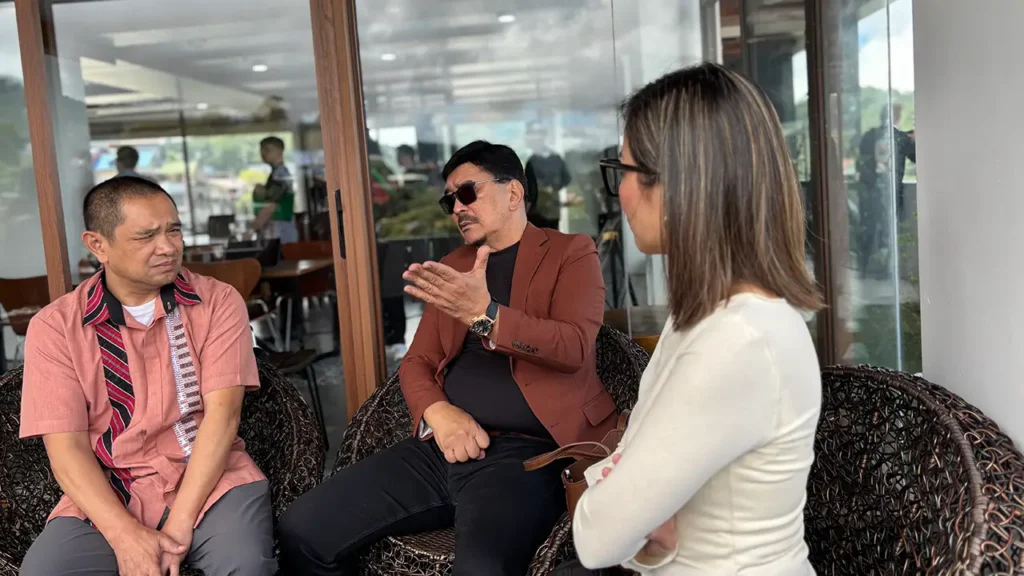
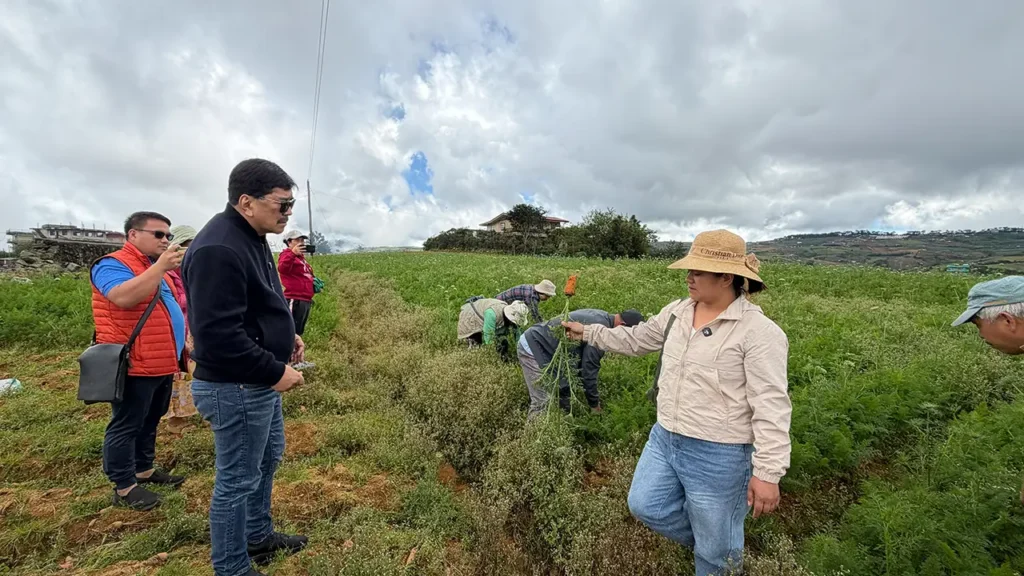
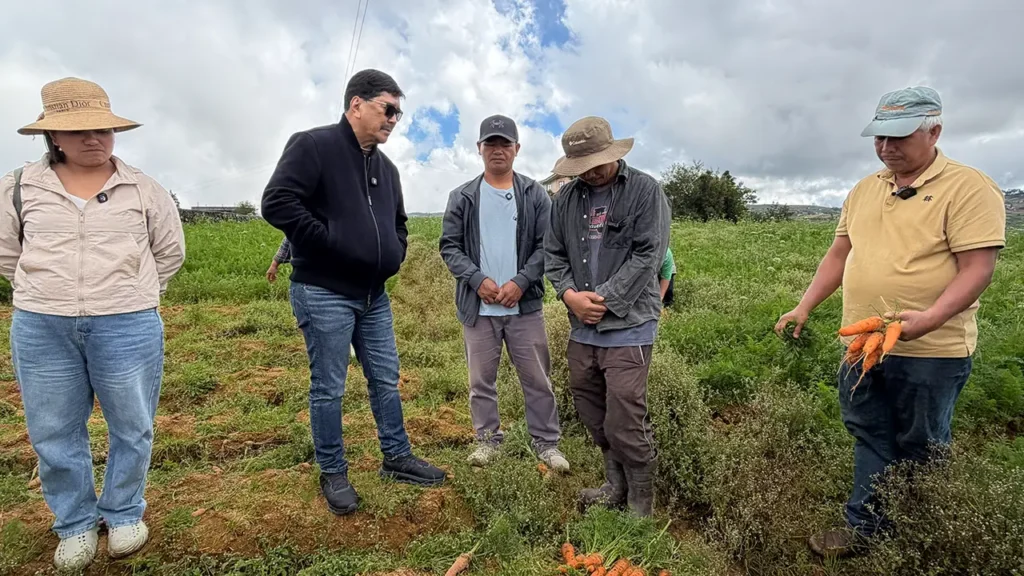

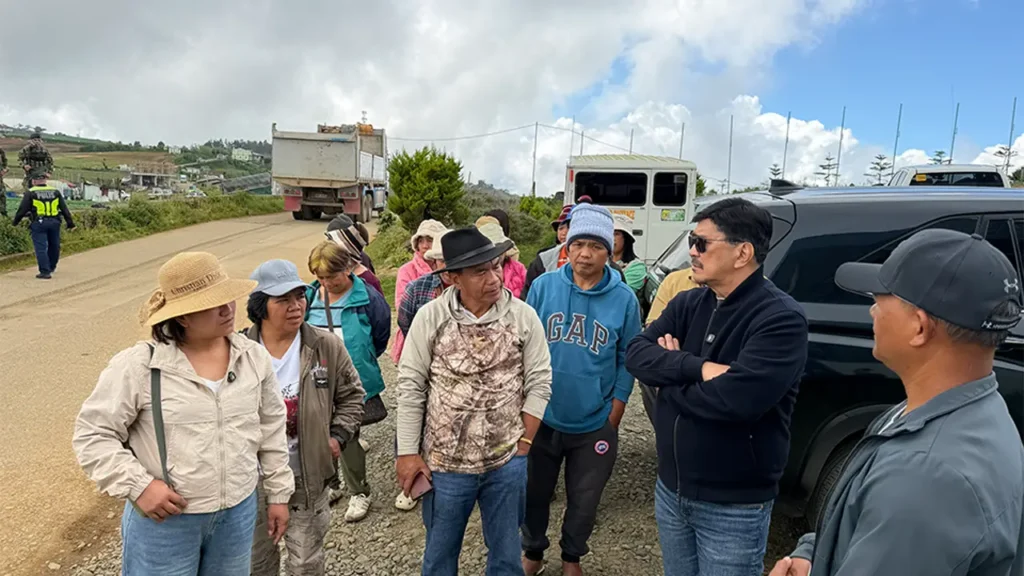
LA TRINIDAD, BENGUET — Anti-crime and fraud advocate Ben BITAG, alongside his advocacy group IpaBitag Mo Inc. (IBMI-NGO), has launched an on-site investigation into the rampant smuggling of imported vegetables that is currently crippling highland farmers.
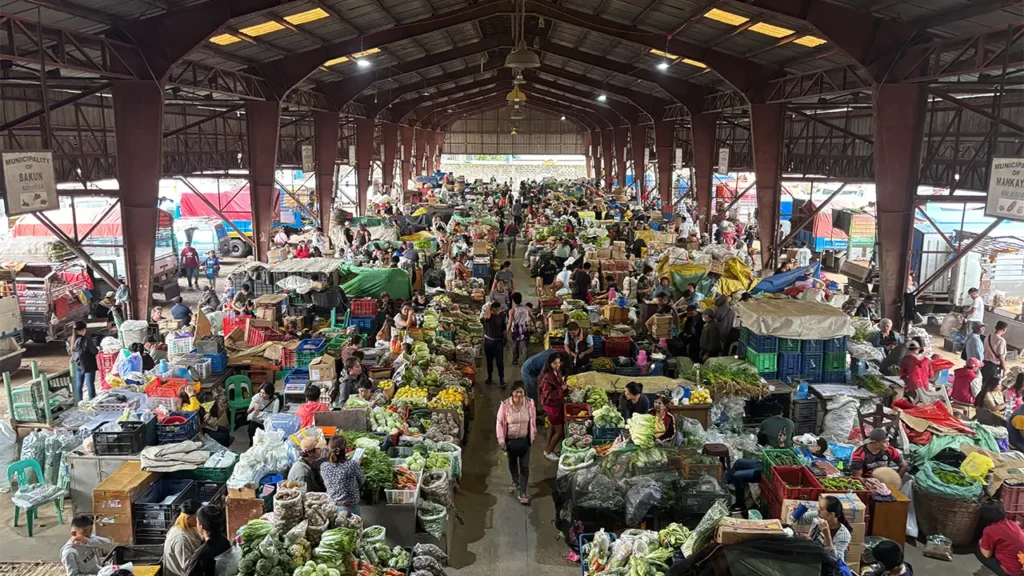
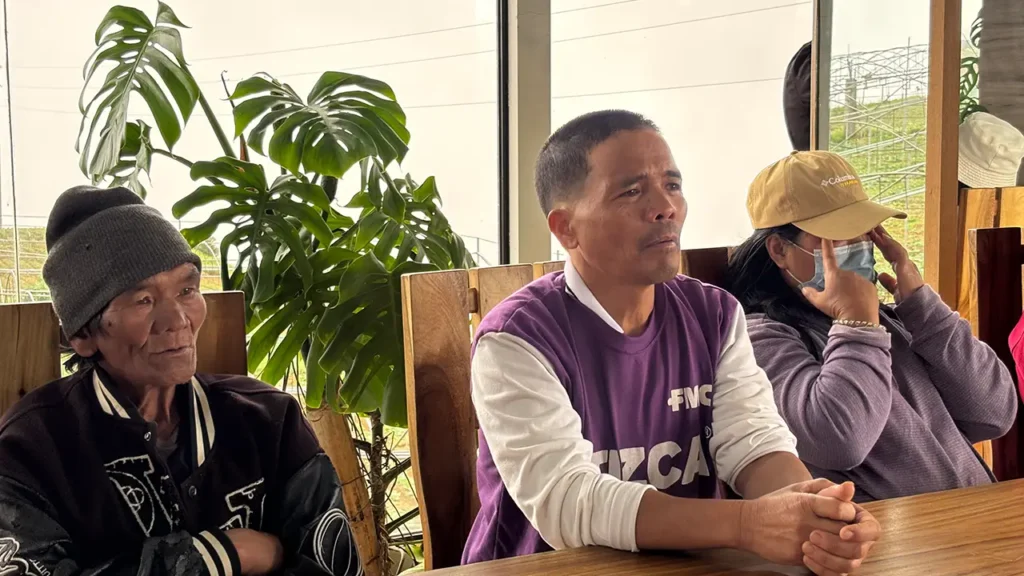
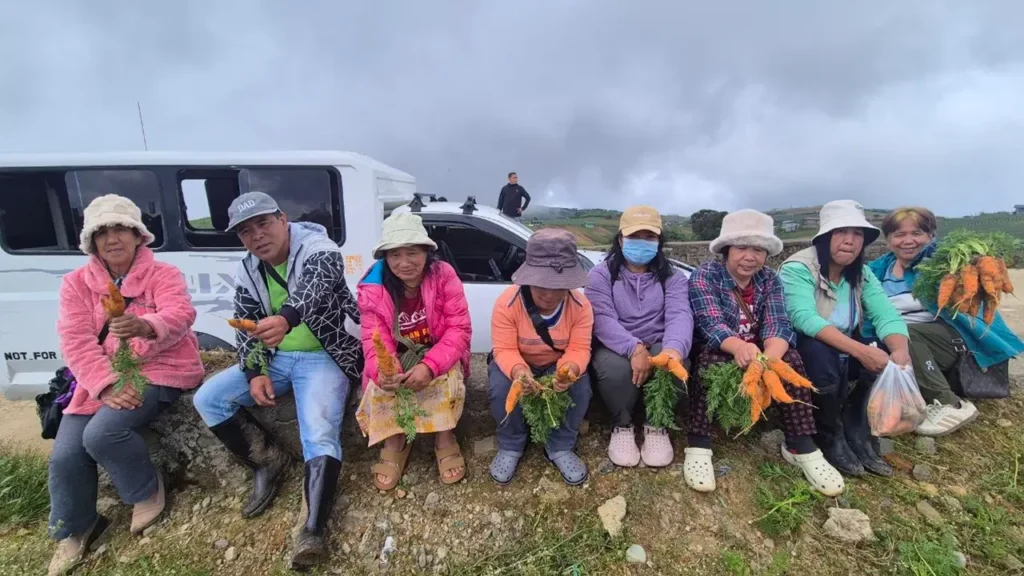
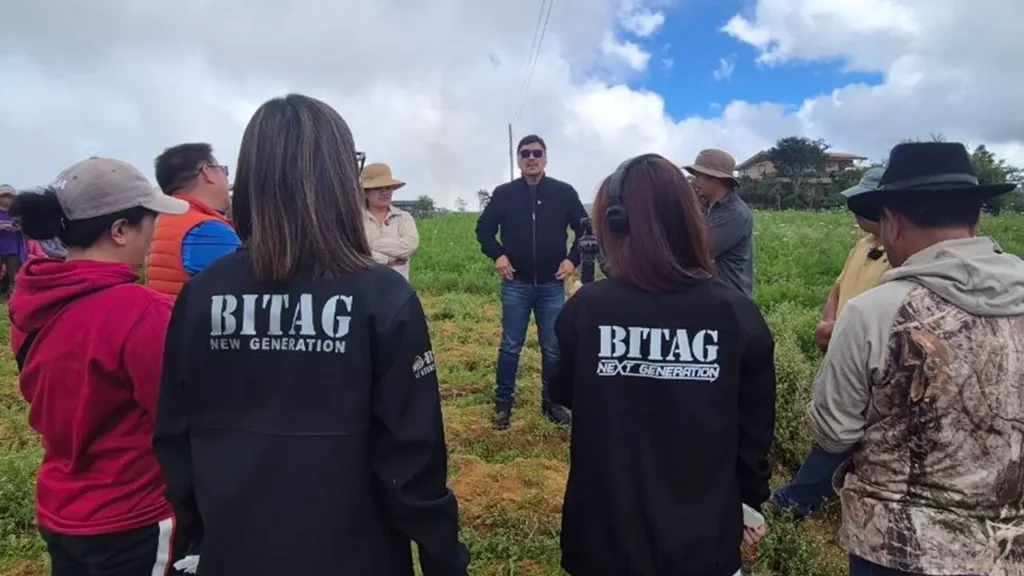
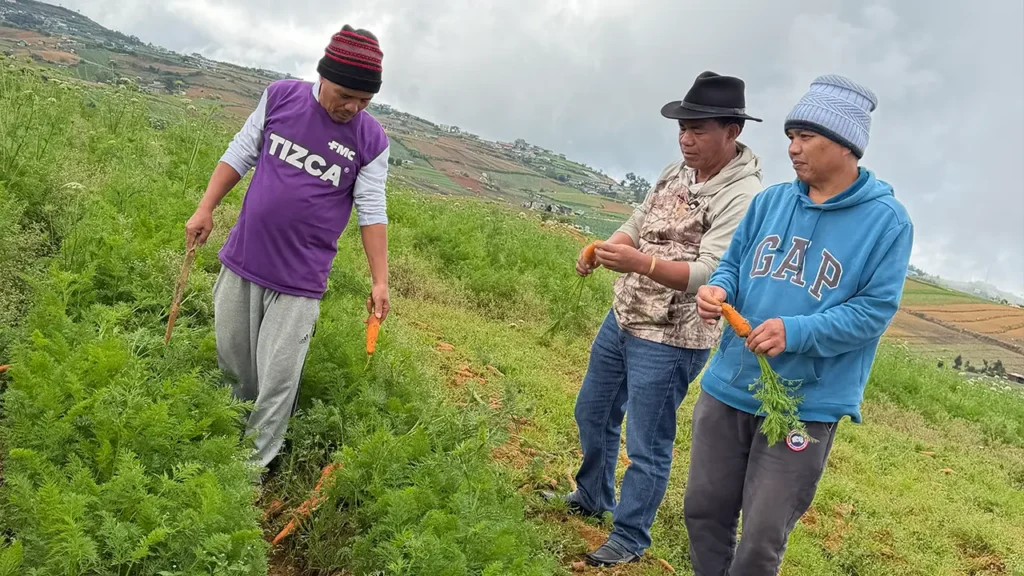
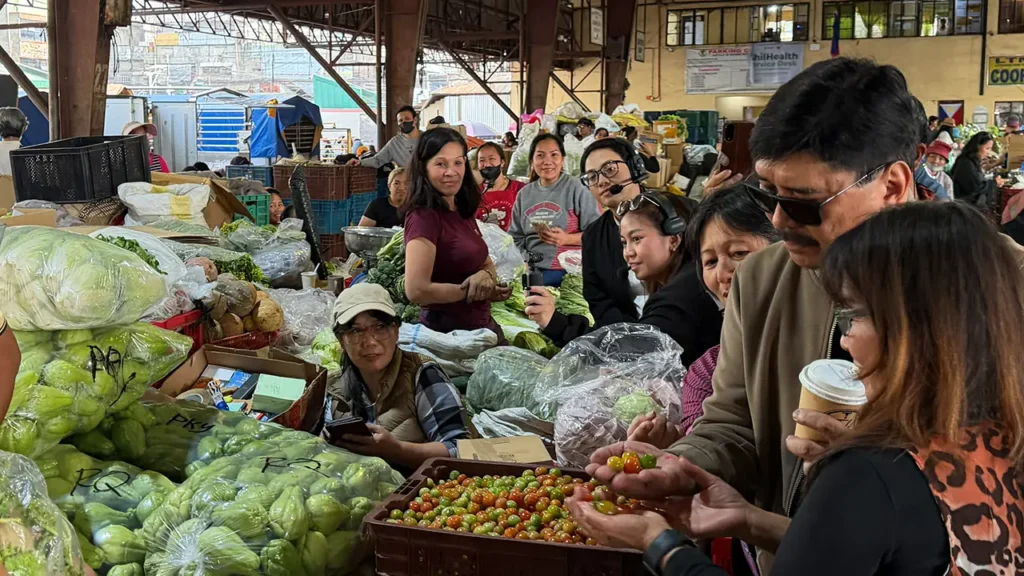
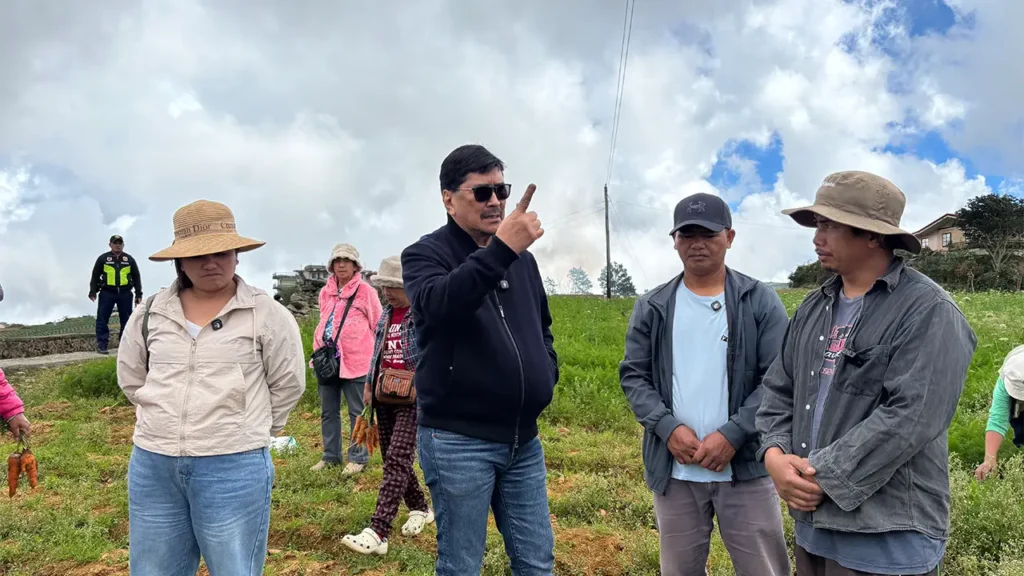
Traveling from Manila to Benguet, Ben BITAG and his 13-man team visited the La Trinidad Trading Post and Barangay Balili, Mankayan from October 11 and 14 to respond to urgent pleas from local vegetable farmers. The dialogue focused on the massive influx of cheap, illicitly imported broccoli and carrots, which has severely undermined the livelihoods of Cordillera farmers.
A deadly flood of cheap imports
For years, Benguet farmers have battled an unrelenting tide of smuggled agricultural products. Recent market monitoring exposed a steep drop in local farmgate value, driven heavily by unfair competition.
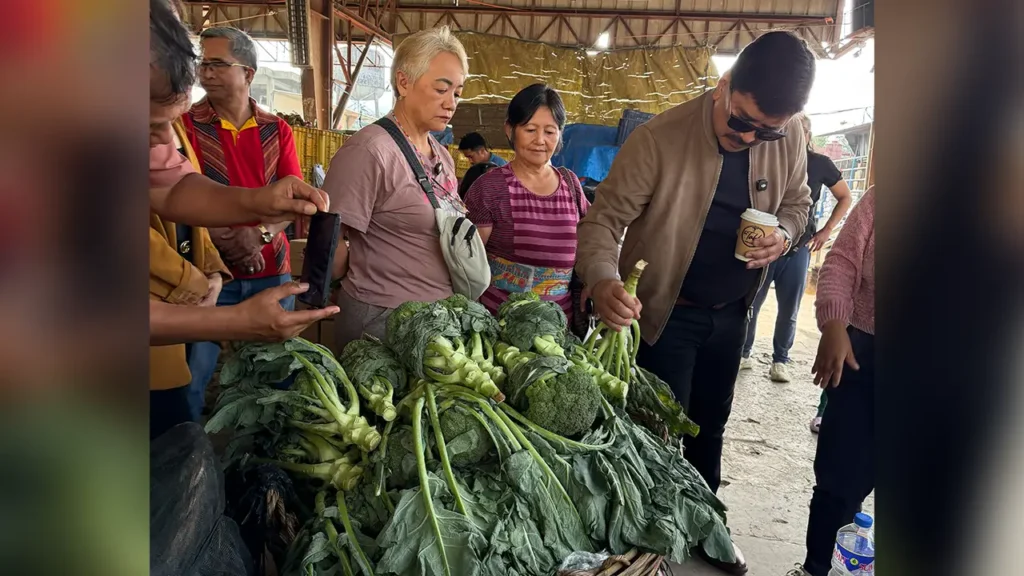
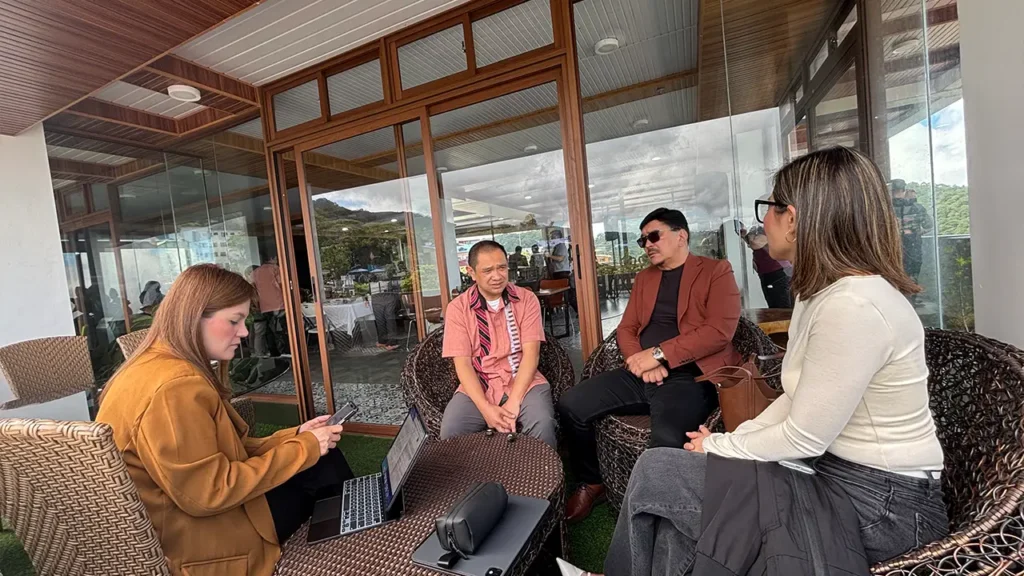
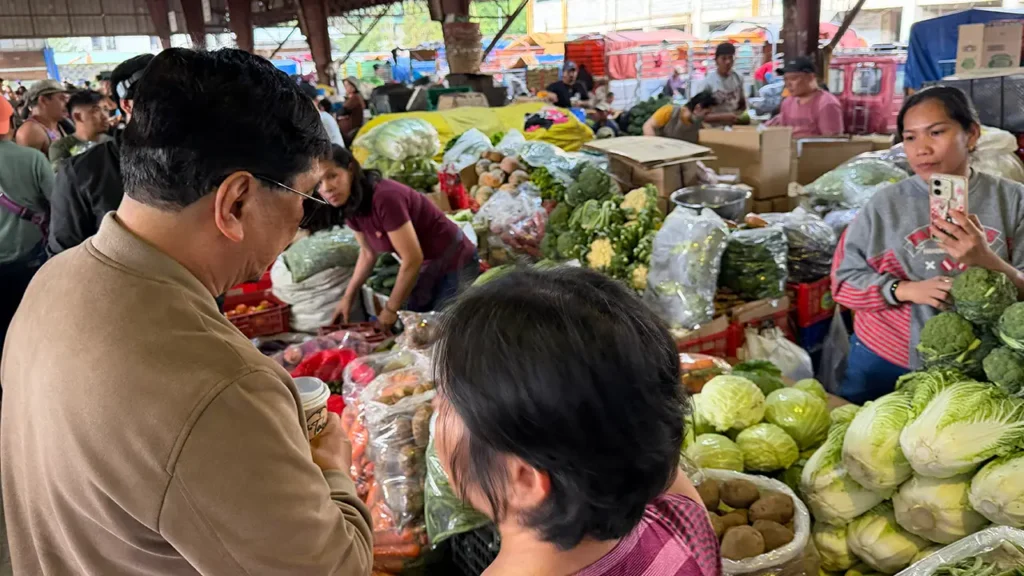
During the site visit to the La Trinidad Trading Post, members of the local farmers’ cooperative informed Ben BITAG, the BITAG Investigative team and IBMI-NGO that trimmed, premium local broccoli retails between P170 to P350 per kilo, while the imported counterpart retails for only P170 to P250 per kilo. Meanwhile, local Benguet carrots retail for P20 to P43 per kilo, while imported carrots are sold for a flat P25 per
The cheap wholesale availability of imported produce directly undercuts local distribution networks and beats the lowest possible local farmgate costs.
Alarmed by the trend, farmers’ cooperative members in Benguet and Baguio City traced these illegal, high-volume shipments of foreign broccoli and carrots back to shadow warehouses in Binondo and Divisoria, Manila.
Local farmers revealed to Ben BITAG that these smuggled goods are deliberately mislabeled to look like authentic domestic produce. This tactic has artificially collapsed the demand for genuine Cordillera crops, forcing desperate farmers to slash prices at a loss, give their produce away for free, or simply leave premium harvests to rot in the fields.
IBMI-NGO steps into the fray
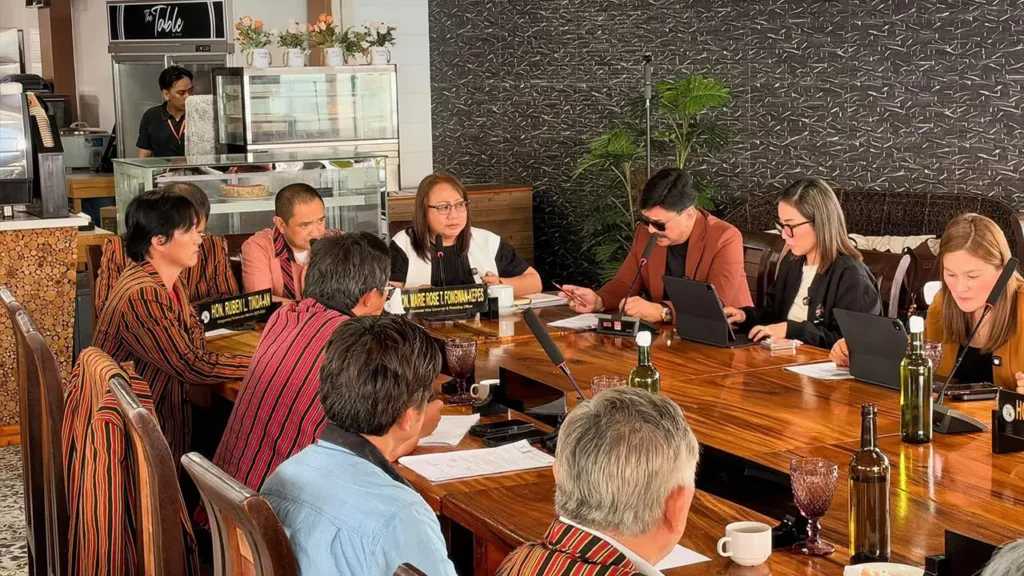
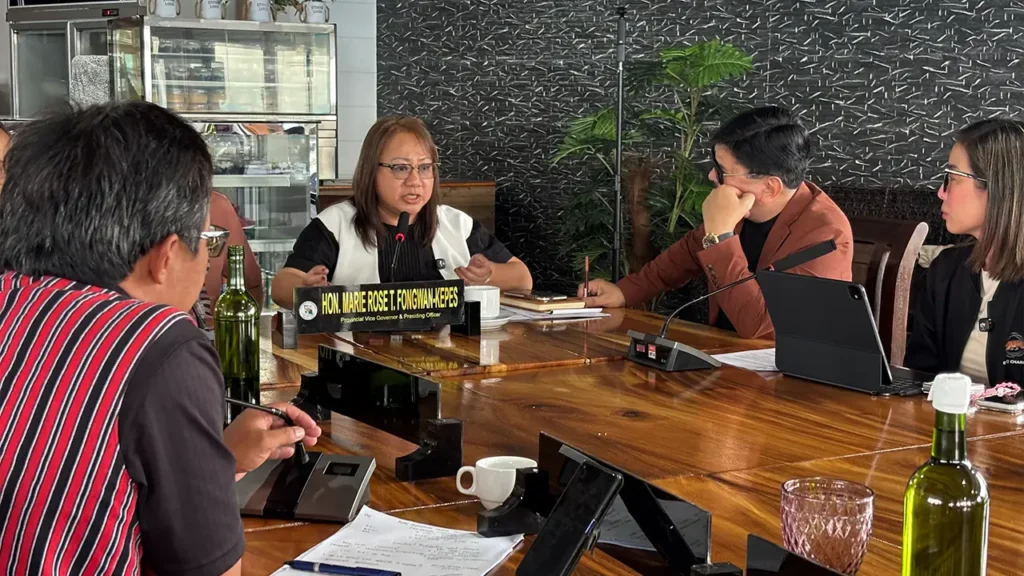
Known for its swift, aggressive interventions, and public oversight on behalf of aggrieved citizens, IBMI-NGO has officially taken up the Cordilleran farmers’ cause. Ben BITAG and IBMI-NGO urged the Provincial Government, spearheaded by Vice Governor Marie Rose T. Fongwan-Kepes, to conduct a public hearing regarding their local efforts to combat the influx of smuggled broccoli and carrots in the region.
During the legislative session, the Sangguniang Panlalawigan noted that all imported broccoli and carrots currently in Benguet enter through “legal” channels with proper documents, claiming the volume remains low.
However, the sheer physical volume observed on the ground suggests otherwise. While the thirteen (13) local government units (LGUs) have tried to pass fragmented resolutions barring imported vegetables entry to Benguet, these measures have proven ineffective.
Specialized task forces formed to combat the influx also face uphill battles, primarily because LGU personnel cannot easily distinguish imported crops from local ones, allowing the illicit trade to persist.
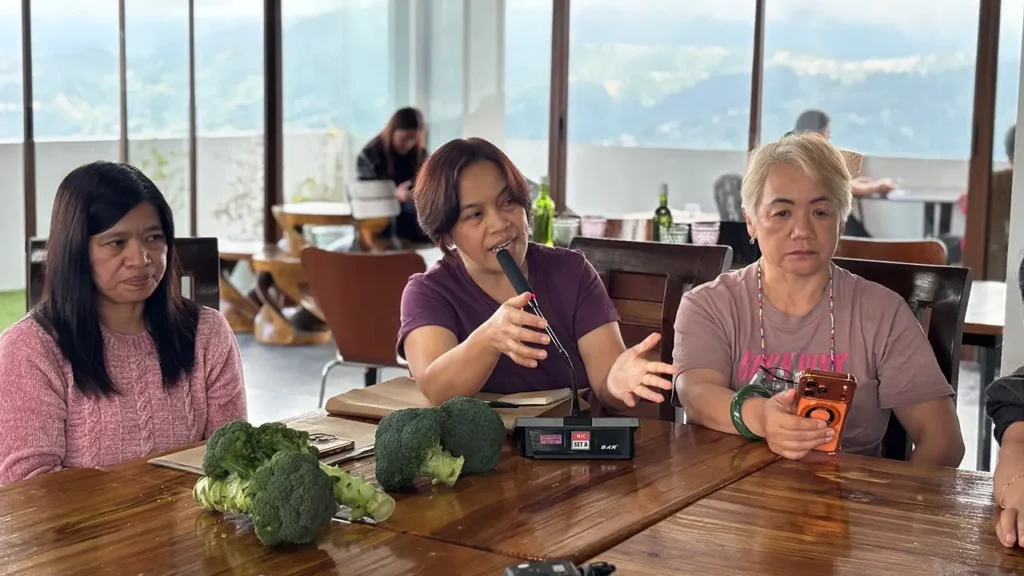
“Ang local broccoli at carrots po namin, tatlong araw palang nalalanta na. Samantalang ang imported broccoli at carrots po ay 3-4 months pa bago malanta,” Agot Balanoy, leader of the League of Associations of La Trinidad Vegetable Trading Areas Inc. suggesting that the imports are heavily laced with preservation chemicals.
She added, “nalaman po namin na isa sa mga government storage facility ay ginagamit para i-store ang mga imported vegetable na pinapasok dito sa Benguet. Ang kinakatakot po namin, pagdating ng December baka bumaha ulit ng imported broccoli at carrots, malulugi na naman kami.”
Vice Governor Kepes explained that the Provincial Government has spent years trying to address the issue, submitting multiple position papers to the Department of Agriculture (DA) and the Senate Agriculture Committee Chair, Sen. Kiko Pangilinan, but to no avail.
“Kaya nagpapasalamat po kami sa inyo, Sir Ben BITAG na pumunta kayo mismo dito sa lugar namin para makita ang totoong kalagayan namin. Sana po matulungan ninyo kami na maipaabot sa DA, sa Bureau of Customs (BOC), sa Kongreso at Senado ang hinaing ng mga local farmer dito sa Benguet,” Kepes plead
Cooperatives divided
The hearing also highlighted structural issues within the local farming community. Ben BITAG confirmed that while Benguet hosts numerous farmers’ cooperatives, they lack unity. Furthermore, many farmers choose to remain independent.
BITAG and IBMI-NGO suspect this fragmentation allows importers to exploit gaps in communication, with some local farmers potentially leaking data to the importer (or cartel) behind the vegetable dump in Baguio City and Benguet.
Structural exploitation
During the investigation at the La Trinidad Trading Post, a cooperative member admitted to the widespread practice of predatory financing. She shared that she is one of roughly 3,000 “financiers/locators/traders” operating in the region.
The exploitation follows a vicious cycle: these financiers fund the independent farmers, locate buyers, and secure venues for the produce. However, if the vegetables fail to sell, the entire financial loss is charged back to the farmer. This adds to an inescapable cycle of debt, trapping farmers in perpetual financial obligation. While the financiers grow wealthy through fast-break, high-volume sales, the farmers doing the backbreaking labor sink deeper into poverty.
Ben BITAG strongly condemned this systemic exploitation by unscrupolous financiers/locators/traders and corrupt LGU officials. “With so many avenues for honest business, why choose to deceive our farmers?” he said, reiterating his hardline stance against agricultural fraud. “Our local governments and municipal agricultural officials must step up, do their jobs, cooperate, and actively safeguard the welfare of these farmers.”
Exploited Kankana-ey tribe
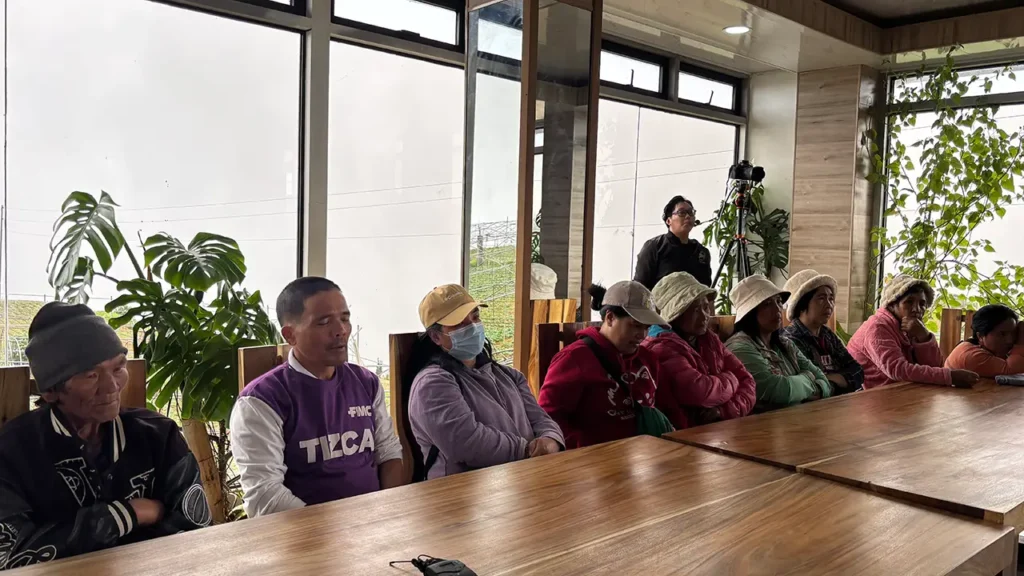
To understand the full extent of the crisis, Ben BITAG and his 13-man team drove four hours from Baguio City to Brgy. Balili in Mankayan, one of Benguet’s 13 municipalities.
During the meeting, local farmers belonging to the Kankana-ey tribe confessed that they, too are suffering from the devastatiing influx of imported broccoli and carrots. Futhermore, they revealed that their LGU has been forcing them to pay taxes on their farmlands.
The tribe members-farmers were completely unaware that they are legally exempt from these charges, given that the land they cultivate is part of their officially recognized ancestral domain.
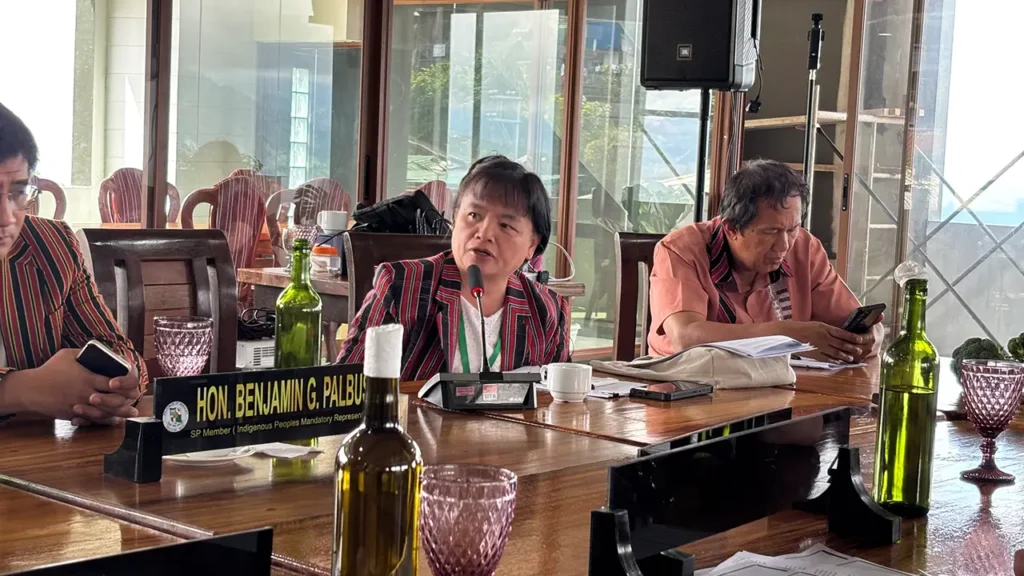
Together with their Municipal Indigenous People Mandatory Representative (IPMR), Ben BITAG advised them to submit their past tax receipts and file the necessary paperwork with the provincial Department of Environment and Natural Resources (DENR) to secure their Certificate of Ancestral Land Title (CALT).
Demands for accountability
The joint IBMI-NGO and BITAG investigation comes at a critical tipping point for the Cordillera region. Compounded by severe weather disruptions earlier this year which caused hundreds of millions of pesos in damage to highland farms, unregulated smuggling is a financial death blow to local farmers.
Supported by the momentum of Ben BITAG’s platform, the Benguet agricultural community is amplifying its demand for the immediate revival of national and provincial anti-smuggling task forces. IBMI-NGO has stated it will leverage its oversight findings to push for stringent accountability measures, ensuring that those choking out the local agricultural industry face legal and administrative consequences.
Critical questions remain
As the investigation continues, several questions must be answered.
Is the region really suffering from actual smuggling, oversupply, or the deliberate dumping of foreign broccoli and carrots?
Are reports of imported vegetable influx accurate, or are they just artificial narratives used by traders/locators/financiers to perpetuate control, manipulation, and exploitation over vulnerable farmers?
Is importation really needed?
Why is “legal importation” permitted in an abundant agricultural region like the Cordillera Administrative Region (CAR), who authorized it, and at what volumes?
Is the Department of Agriculture receiving accurate data from the provincial and local governments, or is the DA import volume baseline fundamentally flawed?
IBMI-NGO and BITAG’s investigative efforts remain ongoing.
bitagmediaunlimited@gmail.com


