MABALACAT, PAMPANGA — “How can the NCIP assists the Indigenous Peoples like the Aeta if they (NCIP), themselves are in the sorry state?”
It is very evident that NCIP rented offices are almost dilapidated with the annual budget of P1-billion for the entire agency. And yes, it is under the Office of the President.
NCIP primary mandate is to empower and look after the welfare of the Indigenous People. However, the NCIP is not empowered and their welfare is not being looked out by the very own government.
Helpless. Toothless. Wouldn’t they be forgotten?
FACT:
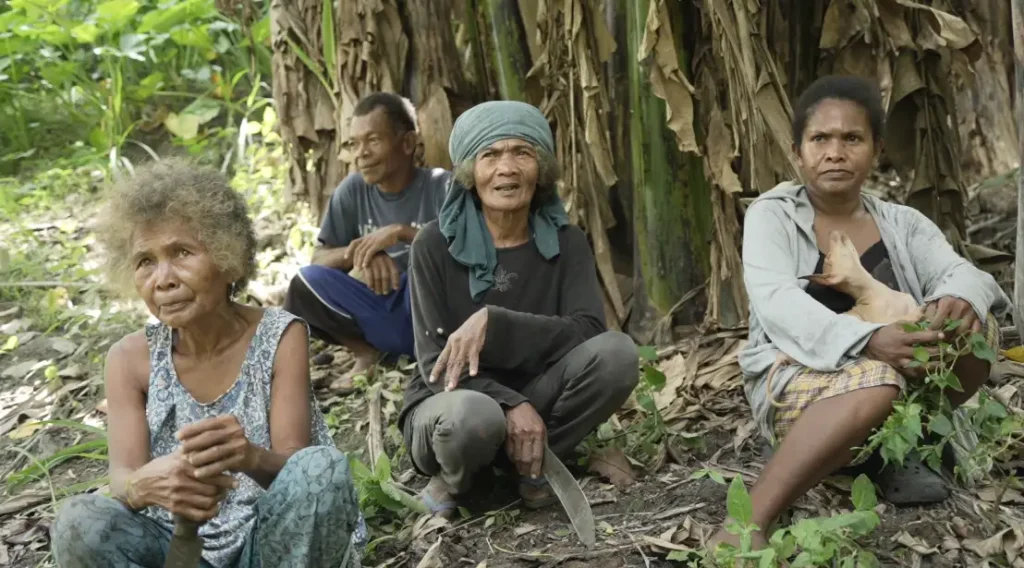
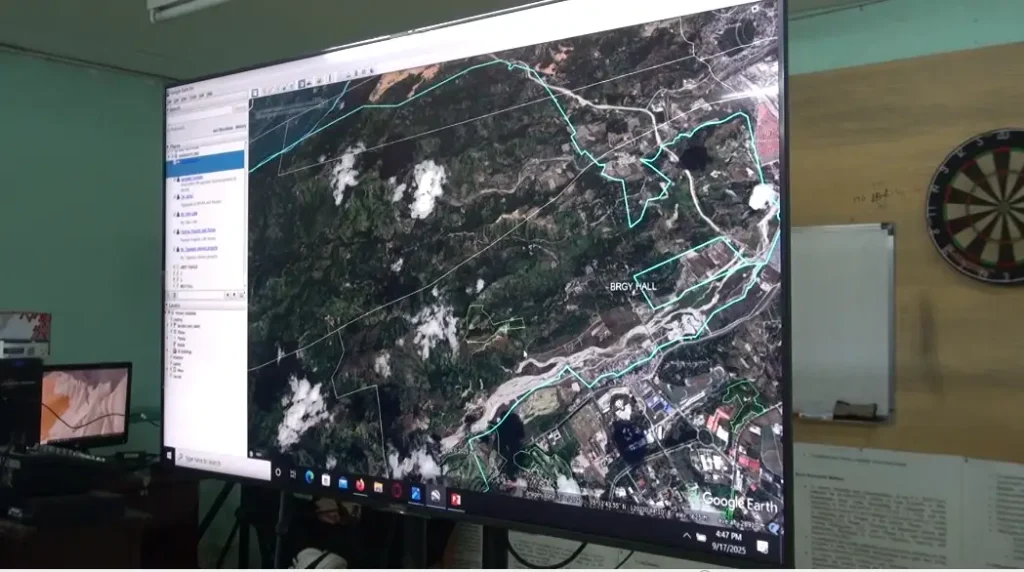
The Aeta groups in Mabalacat, Pampanga are not united. There seems to be a ‘divide and rule’ amongst them. The root cause of the problem, the 10,323,382 hectares ancestral domains under Certificate of Ancestral Domain Claim (CADT) 025.
While some Aeta groups in Mabalacat, Pampanga are bravely protecting their ancestral domain and resisting development projects, the other faction is busy back-channeling to sell the land they inhabited since time immemorial.

Known to our commitment to advocating for marginalized individuals and communities including the Aetas, IBMI-NGO and BMUI investigates further.
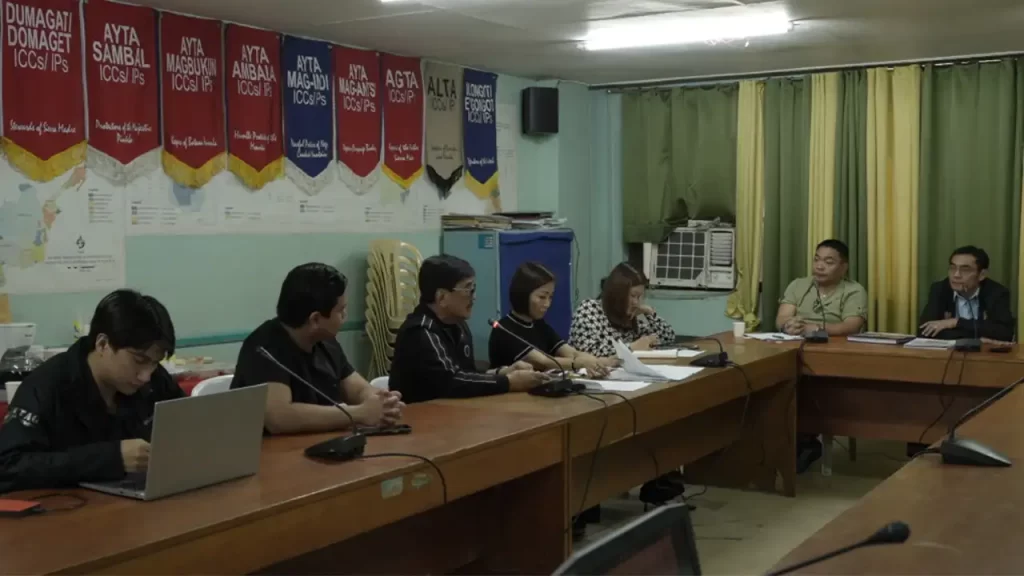
In a conference held on September 17, 2025 at the NCIP Region 3 Office in San Fernando, Pampanga Atty. Roman A. Antonio, acting Regional Director reiterated that it is prohibited to sell any portion of ancestral domain. It is a protected areas covered by the Philippine laws, specifically the Indigenous Peoples’ Rights Act (IPRA) of 1997 or the Republic Act No. 8371.

This counters the efforts of the Indigenous People Mandatory Representative (IPMR) who, accordingly audaciously transacts with the Korean investors.
Based on the Aeta group reports to IBMI-NGO and BMUI, this same IPMR lives comfortably and jet-setting to Korea for business trips while she only receives a salary.
When BMUI confirms about this, Atty. Antonio said the trips and transactions with the Koreans are not reported to the NCIP.
IPMR election, a fraud?
The Aeta group has long been protesting on the election of their IPMR, Ms. Rovelaine Margarito.
The election of Margarito is in question. Though, NCIP Region 3 says Margarito won and the election was fair and truthful supported by documents, the Aeta group says otherwise.
The IPMR is a mandated position to serves as a link between the indigenous cultural communities and the government, ensuring that the rights and interests of indigenous peoples are protected and advanced, as established by the IPRA law.
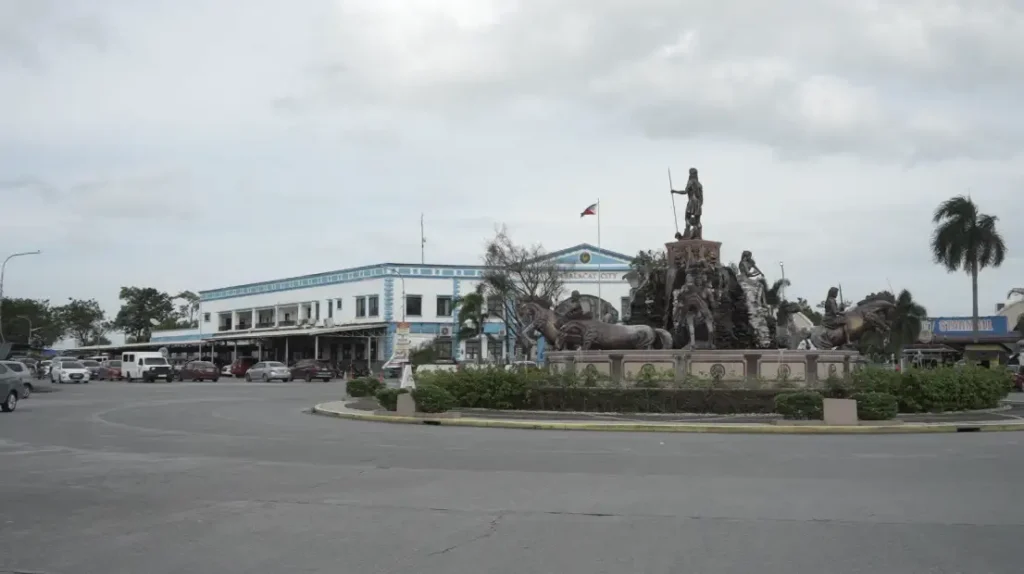
But in the case of the IPMR in Mabalacat, Pampanga, it is the other way around.
The very person who should defend the welfare and represent the rights of the IPs are the very same person who corrupts their rights.
Devolution makes NCIP toothless
During the conference, BMUI and IBMI-NGO discovered that once elected, the IPMR automatically works under the local government unit (LGU) of the Department of Interior and Local Government (DILG). The IPMR sits in the local council as well as provincial council.
Question of accountability and conflict of interest begin.
In the case of Aeta group in Mabalacat, Pampanga, their IPMR allegedly serves as the locator and the agent brokering the selling of ancestral domain to lurking investors in the area under the guise of progress and development.
Since the IPMR sits as a City councilor, she now serves the interest of the DILG. Under the Devolution or the Republic Act 7160 or the Local Government Code, the IPMR is mandated to report to the local government — Mayor and Governor, and no longer to the NCIP. The NCIP then only serves as ceremonial and administerial agency.
NCIP Guidelines and Devolution, the culprit
As an oversight, IBMI-NGO strongly pushed for the amendment of the NCIP Guidelines. This is to shun the fragmented implementation of policies, bureaucracy, potential erosion of customary laws, and the risk of displacement, land rights violations, and socio-economic marginalization for Indigenous communities.
BMUI and IBMI-NGO will bring this matter to the Senate Committee on Cultural Communities for legislation of necessary amendments.