
QUEZON CITY, Philippines — on January 22, 2026, Department of Public Works and Highways (DPWH) Secretary Vince Dizon, Prosecutor General Richard Fadullon, Navotas Representative Toby Tiangco and Crime Buster Ben BITAG hold a joint forum and provide updates on the ongoing investigations of the multi-billion peso ghost flood control project anomalies.
While the public remains hungry for the prosecution of “big fish” involved in multi-billion peso flood control scams, Government Officials at the forum suggest that jail time is only a partial cure.
Crime Buster Ben BITAG stands that the real solution lies in dismantling the “secretive” system of national budgeting by legislating Bottom-Up Budgeting (BUB).
The veteran journalist-advocate against crime and corruption emphasizes that the budget is often finalized behind closed doors. By shifting to a Bottom-Up Budgeting (BUB), projects would be “vetted” by the people at the barangay and municipal levels before reaching the national stage.
“When the public are alerted and informed about project preparations under the National Expenditures Program (NEP), the space for those playing the system shrinks,” Ben BITAG stated.
He argued that the current flood control controversies happened because projects were planned in secret without local oversight.
Last week Ben BITAG and the Non-government organization Ipabitagmo Inc. (NGO-IBMI) held a press-conference calling lawmakers to legislate Bottom-Up Budgeting (BUB) from a mere “program” or “formula” into a mandatory national policy. The presscon highlighted that the goal is a “Barangay-to-Province-to-National” flow, ensuring projects meet actual needs of the people rather than serving as “inserted” line items for contractors and officials.
Tiangco Commits to Authoring BUB Law
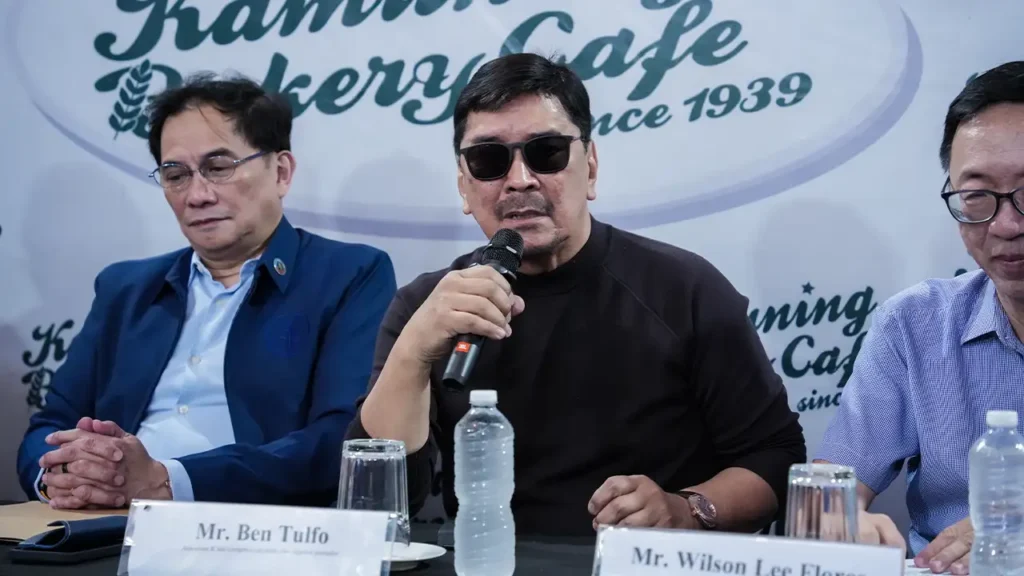
During the Question and Answer, IBM-NGO Executive Director Apple Meneses asked if Navotas Representative Toby Tiangco is willing to author the BUB Bill to the House of Representatives. Rep. Tiangco responded affirmatively and committed to sponsoring the legislation of Bottom-Up Budgeting (BUB) from a mere program into a mandatory law.
“Please send me the draft proposal so my staff can check it; I am definitely willing to sponsor it,” Tiangco declared. He also explained that this is simply the right way to handle public funds. “The budget is called ‘budget’ because it is limited. You cannot build every project at once, so how do you choose? You must prioritize what most people need. We need a system that prioritizes projects correctly.”
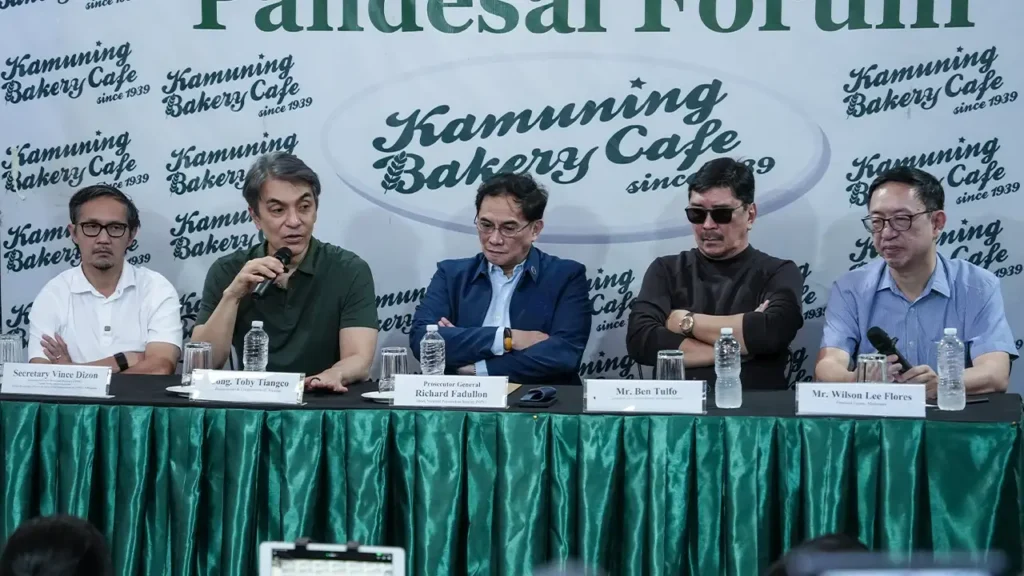
Once legislated, BUB Law gives Local Government Units (LGUs) and NGOs a direct say in which projects are funded, preventing “ghost projects” from being imposed by the national government.
The Push for Prosecution: “Trust the Process”
Prosecutor General Richard Fadullon provided updates on several high-profile corruption cases, including issuance of subpoenas in the next few days. He also tempered expectations for immediate arrests:
Zaldy Co: Despite the lack of an extradition treaty with Portugal, the DOJ is working with the DFA to convince Portuguese authorities to return Co. “All ways are being explored,” Fadullon said, though he noted the investigation isn’t focused solely on one individual.
The Jinggoy/Bonoan Case: A preliminary investigation is ongoing. Fadullon expressed shared frustration over the pace but noted this is one of the “largest corruption cases,” with a resolution expected by February or March 2026.
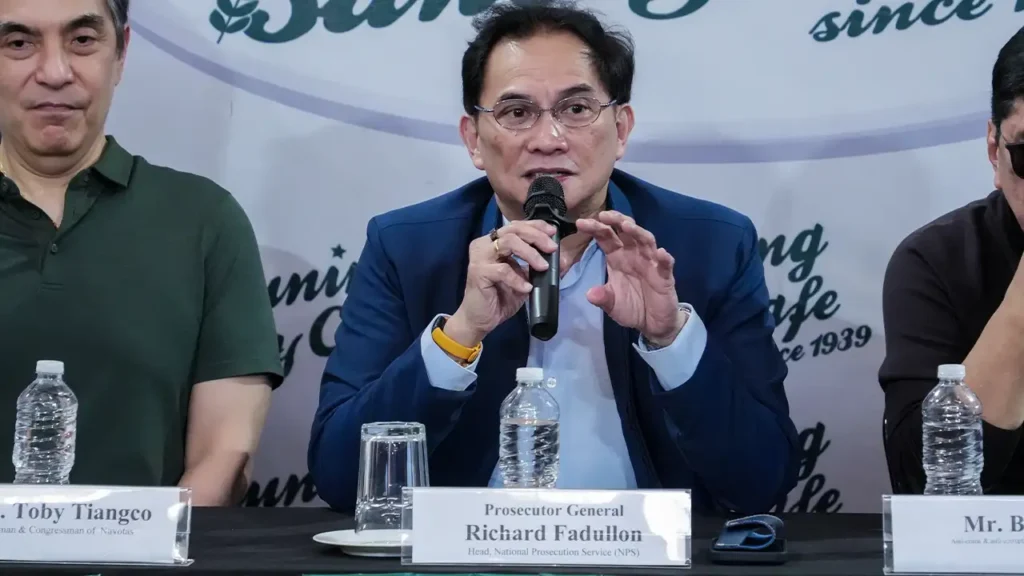
Prosec. Gen. Fadullon also said that his office would issue subpoenas against Estrada, Revilla and Bonoan in the plunder cases for violation of Republic Act 7080 or the Anti-Plunder Law, within the week.
Furthermore, Prosec. Gen. Fadullon also clarified that while frozen assets don’t automatically mean guilt, they allow the AMLC to trace evidence, noting that sophisticated syndicates no longer use traditional banking transactions to avoid being “traceable.”
Meanwhile, Rep. Toby Tiangco proposed a more aggressive diplomatic approach: “The government should send a dedicated team to Portugal. It would show our resolve and the gravity of the case, potentially influencing local authorities there to cooperate despite the lack of a formal treaty.”
Structural Changes at DPWH
DPWH Secretary Vince Dizon emphasized that transparency is the ultimate solution to the “padrino” (patronage) system that has plagued the DPWH. He highlighted the launch of a Transparency Portal featuring specific geographic locations (latitude and longitude) for all projects to prevent “hidden” insertions.
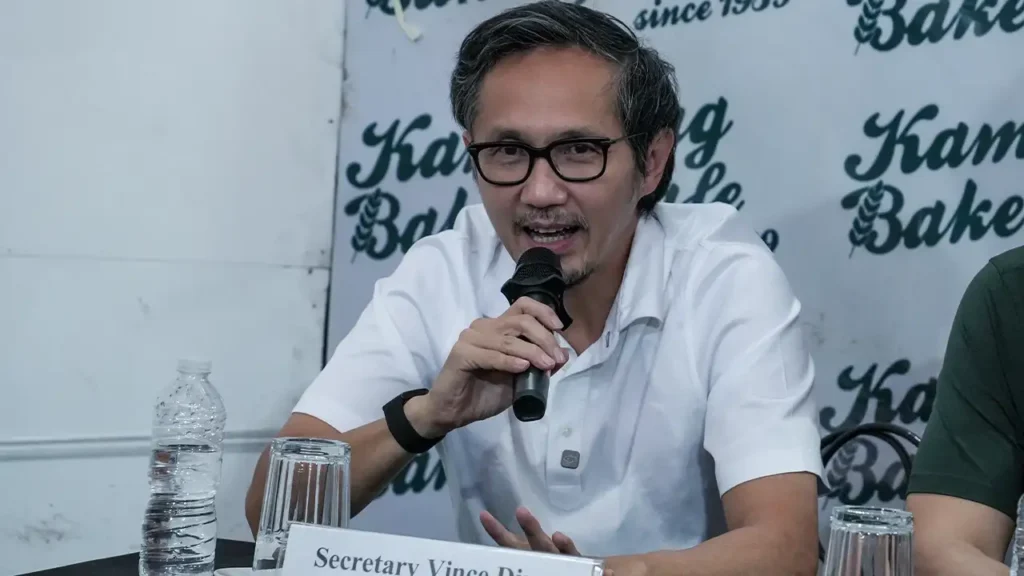
“Corruption happened because everything was done in secret,” Dizon said. He revealed that the DPWH is moving toward a merit-based system, citing a recent job fair at MAPUA University where 500 applicants sought positions based on skill rather than political connections.
Sec. Dizon also admitted that there was a massive reshuffling of officials in the agency to dismantle the “Padrino” system. It is a cultural practice of Patronage that was exercised in the different government agencies between the high officials, the employees and contractors or suppliers.
Sec. Dizon believed that this culture must be destroyed to eliminate deep-seated, systemic corruption, stop the proliferation of ghost projects and ensure that the infrastructure funds are used efficiently.
The BITAG Perspective
Although Ben Bitag fearlessly questioned the investigation status of prominent names mentioned during the Senate investigation such as Philippine senators and congressmen who are allegedly involved in this issue, he expressed positivity about the progress being made.
He noted that the forum was a vital space to reveal the truths that the public has been waiting to hear. He expressed his trust in the Government Officials present in the forum—Sec. Vince Dizon, Rep. Toby Tiangco, and Prosecutor General Richard Fadullon—to lead the way in fixing the broken system.
“I have believed from the very beginning that people’s participation is the most important thing,” Ben BITAG said. “The government is for the people and by the people, so the people should always know where their money is going.”.
“I am happy to see progress,” Ben BITAG concluded. “I look forward to these Government Officials becoming the real solution to this problem.”
The “Fifth Pillar”
Prosecutor General Fadullon reminded the public that the criminal justice system’s “fifth pillar”—the community—is the most vital.
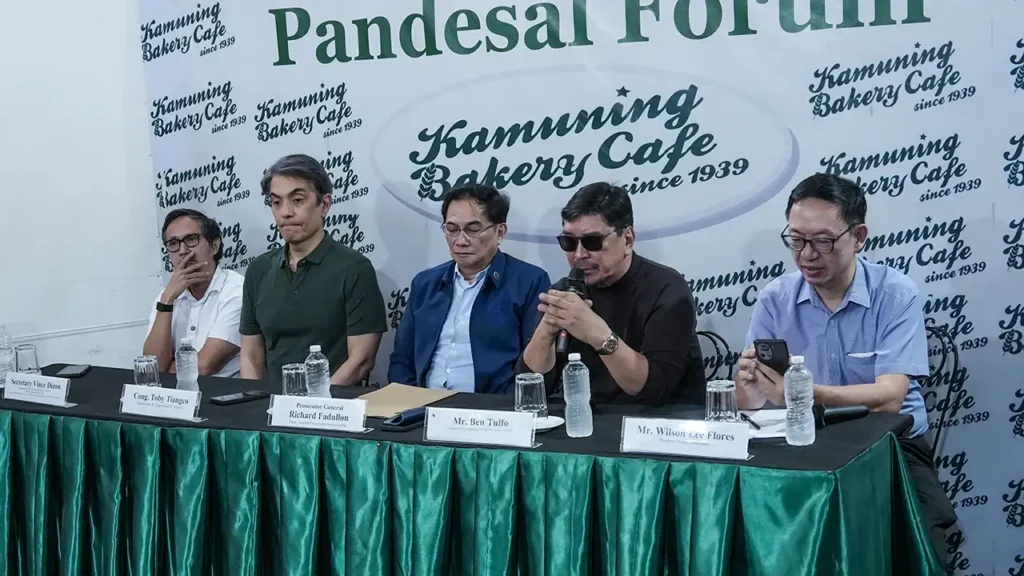
“If no one stands up, what we are fighting for is useless,” Prosecutor General Fadullon said. “We are quick to remember, but we are also very quick to forget. We must allow the institutions to work, but the people must participate to ensure they do.”
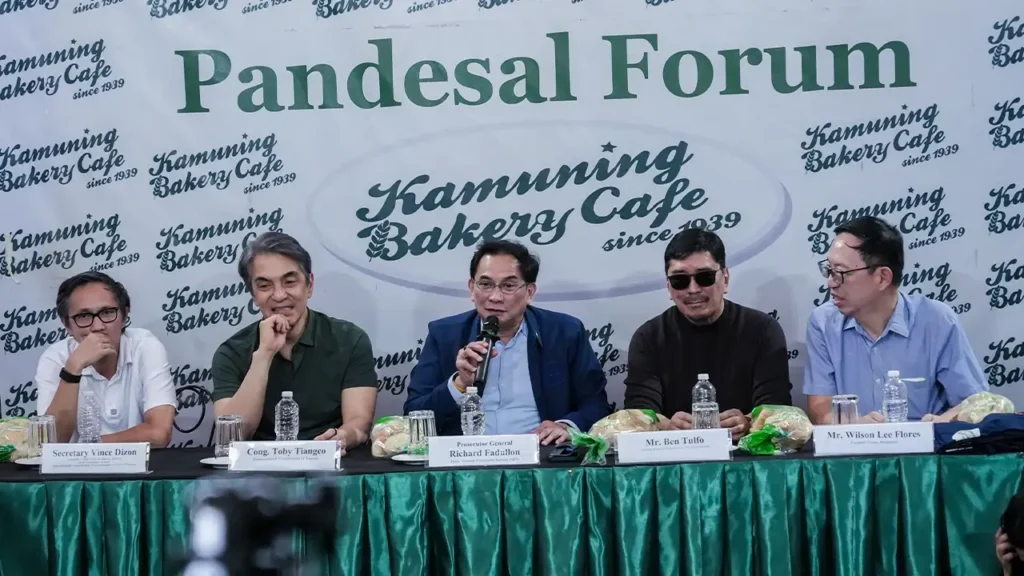
The message from the forum was clear: the era of backroom deals in government projects is coming to an end. However, the success of these reforms rests not just on the shoulders of officials like Sec. Vince Dizon and Prosecutor General Richard Fadullon, but on the vigilance of the Filipino people.
The public is encouraged to serve as the ultimate watchdog, ensuring that every peso intended for every government project actually goes into the ground—not into pockets.


